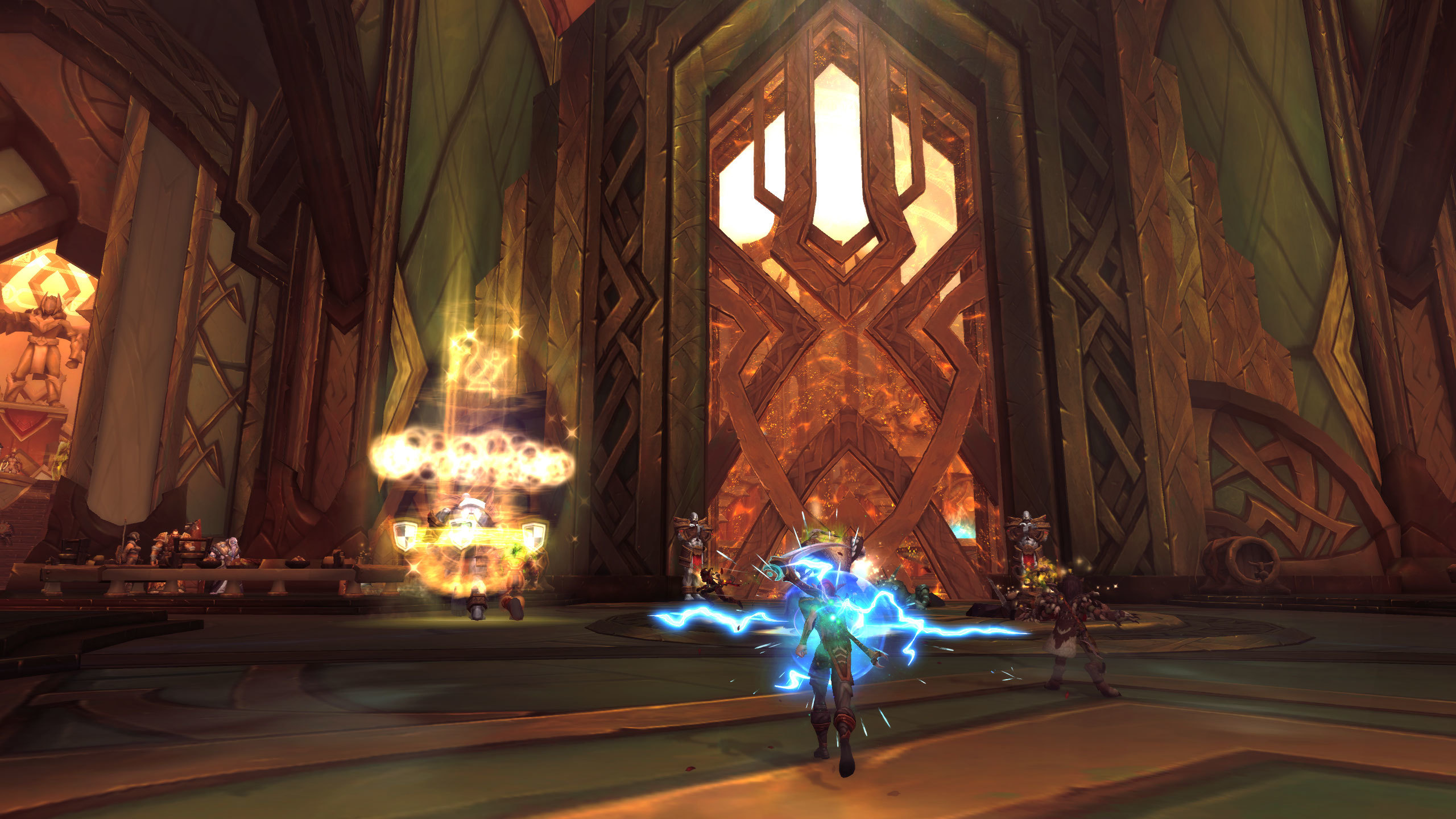
The group finder is often the first point of contact between strangers. These short-lived interactions quietly shape what players expect from teamwork, communication, and pace. Over time, repeated experiences form a shared understanding of how group content should feel.
This article explores how group finder experiences shape player expectations and influence future behavior.
First Impressions Setting the Tone
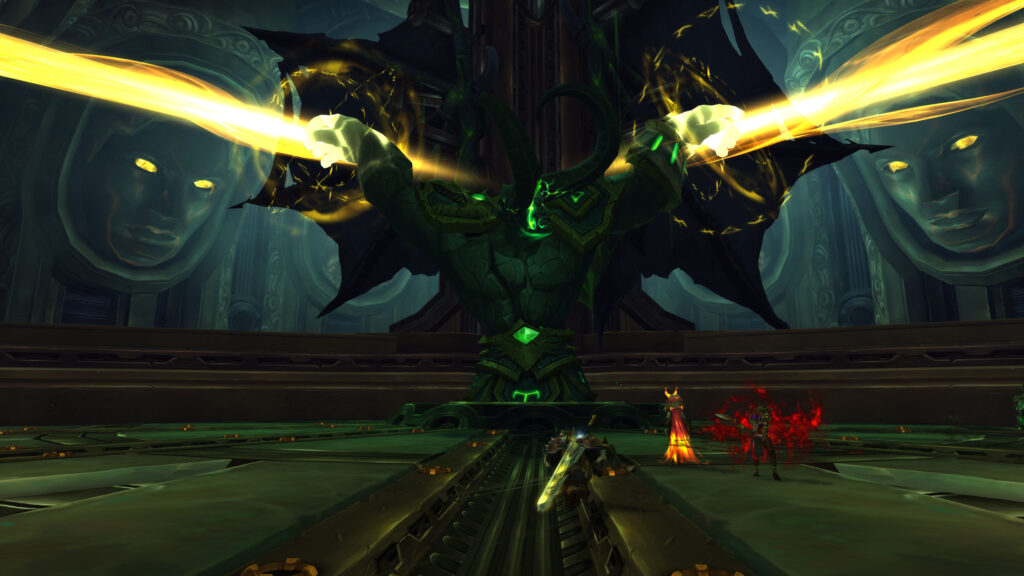
Early group interactions leave strong impressions. Smooth runs build trust, while chaotic ones adjust expectations quickly.
Experience teaches anticipation.
Patterns Repeating Across Runs
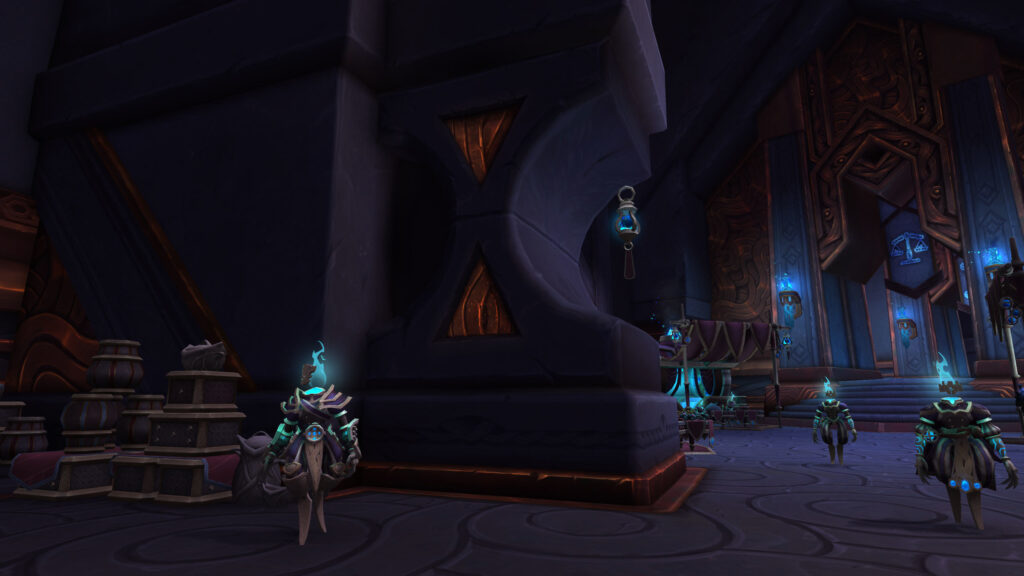
After many groups, players recognize common behaviors. These patterns guide preparation before content even begins.
Familiarity informs readiness.
Expectations Shaped by Group Finder Use
Consistent exposure leads to predictable adjustments.
| Experience Pattern | Player Adjustment | Expectation Formed |
|---|---|---|
| Fast-paced groups | Pre-run preparation | Efficiency assumed |
| Minimal communication | Self-reliance | Silent coordination |
| Inconsistent performance | Lower risk tolerance | Conservative play |
Expectations Influencing Behavior
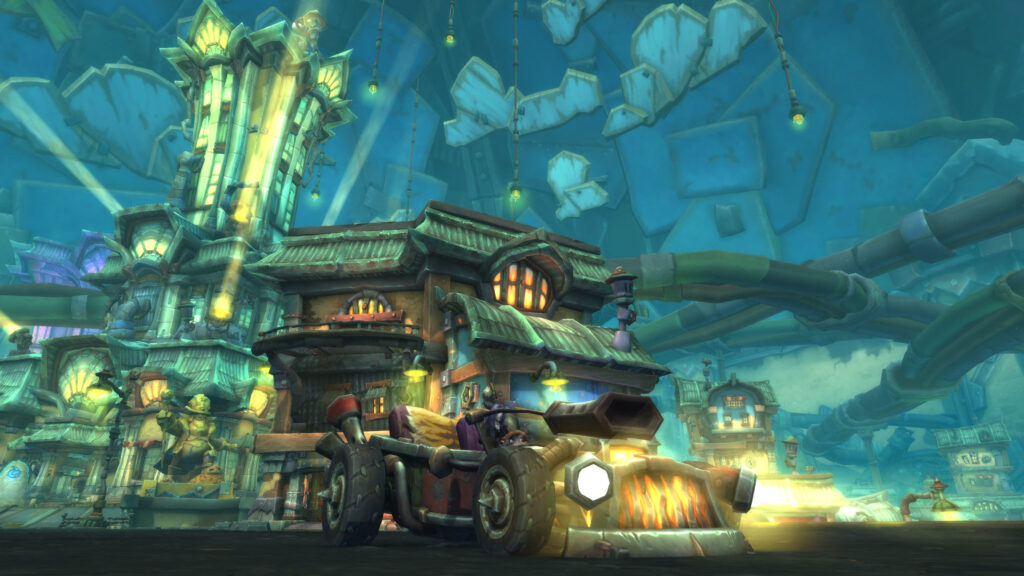
Players adapt their own conduct based on what they expect from others. Preparation replaces assumption.
Behavior aligns with anticipation.
Why These Expectations Persist
Because group finder experiences are frequent, they reinforce themselves. Each run confirms prior assumptions.
Repetition solidifies outlook.
Conclusion
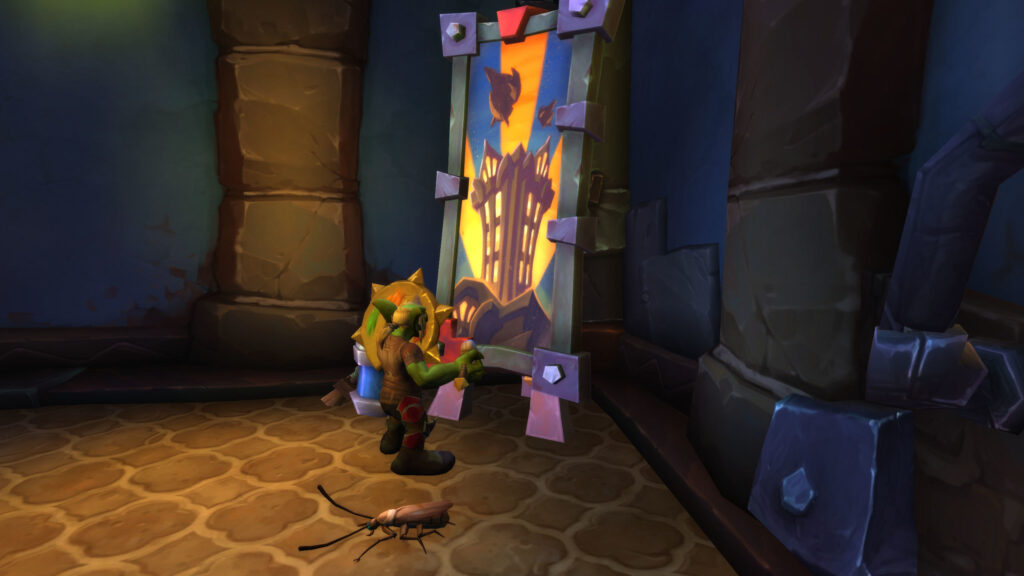
Group finder experiences shape player expectations by repeating patterns of interaction and performance. Over time, these moments guide preparation, behavior, and tolerance. Expectations become a quiet framework for how group content is approached.