The success of the Vanilla and Wrath of the Lich King Classic servers has catalyzed intense debate regarding the feasibility and desirability of reviving subsequent expansion cycles, specifically Cataclysm Classic or Mists of Pandaria Classic. This complex decision involves evaluating the potential player market, the integrity of the content structure, and the inherent risk of fracturing the existing player base. This analysis examines the core arguments for and against continued expansion revival, focusing on the historical legacy and systemic changes introduced by these two controversial expansions.
This report quantifies the market viability and structural risk associated with reviving middle era expansion content.
Evaluation Criteria: Nostalgia Market Demand, Structural Integrity Risk, and Feature Set Novelty
Revival viability is evaluated based on three weighted criteria. First, Nostalgia Market Demand measures the current community interest and potential subscriber volume generated by the specific expansion, prioritizing widely beloved content.
Second, Structural Integrity Risk assesses the inherent flaws in the expansion’s systems—such as Cataclysm’s world overhaul—that might alienate a segment of the revival audience. Third, Feature Set Novelty quantifies the number of unique, desirable features the expansion introduced that are unavailable in the current live game. Low demand and high risk depress viability.
Cataclysm Classic: High Structural Integrity Risk and Polarized Demand
The Cataclysm expansion presents a uniquely high Structural Integrity Risk due to its irreversible overhaul of the original world zones. While the expansion introduced well regarded raid content, its central feature—the destruction of Old World zones—is inherently polarizing, dividing the Nostalgia Market Demand.
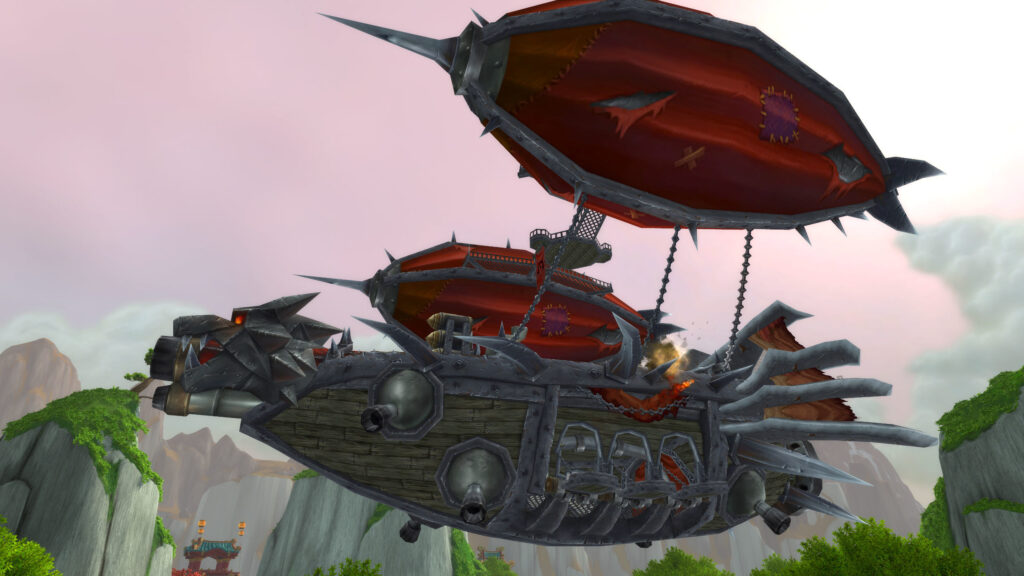
Revival would satisfy those who enjoyed the endgame raids but would alienate those seeking the true ‘old world’ experience. The Feature Set Novelty is moderate, primarily focused on dungeon difficulty and new race combinations.
Mists of Pandaria Classic: High Feature Set Novelty and Strong Market Demand
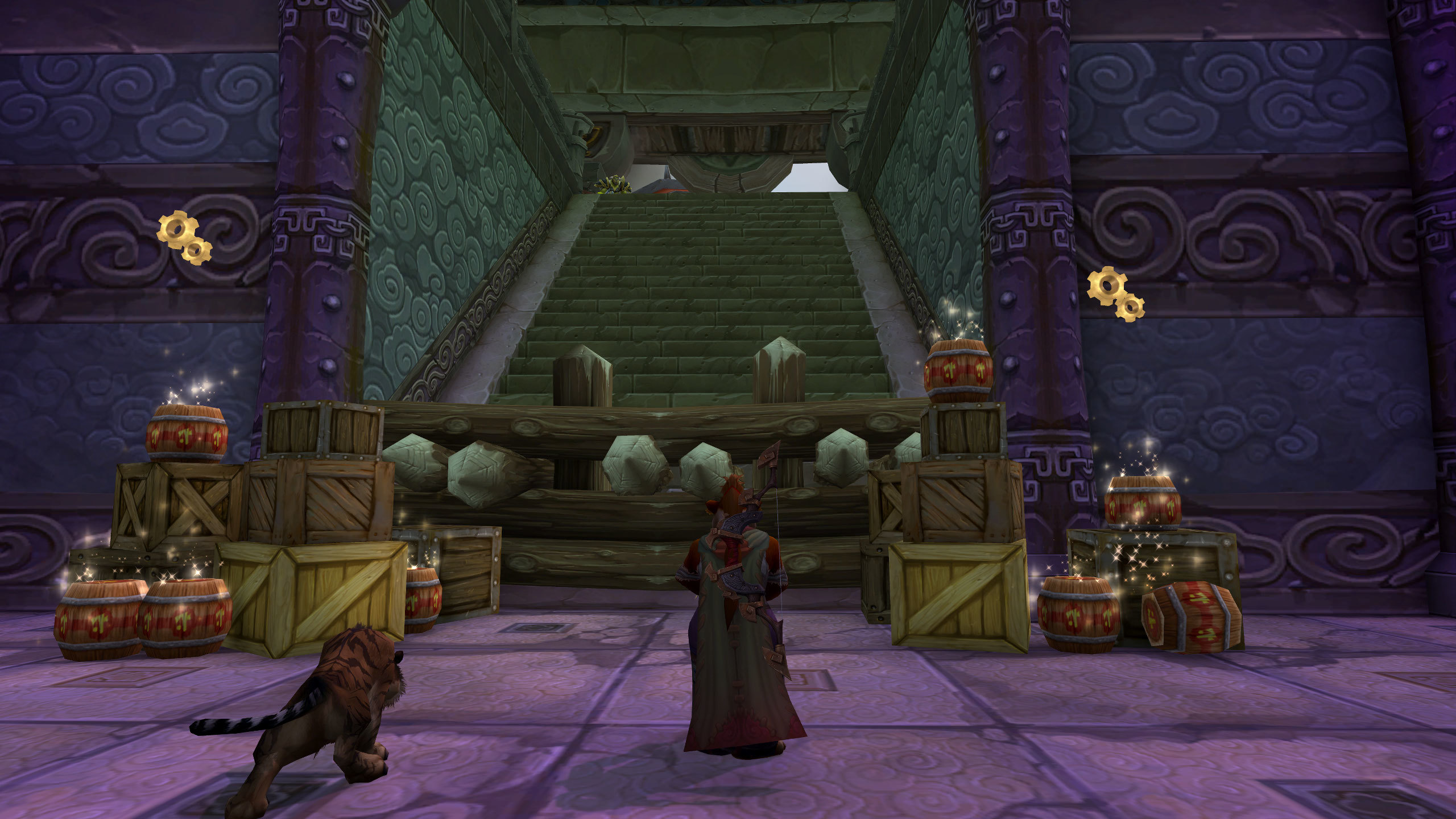
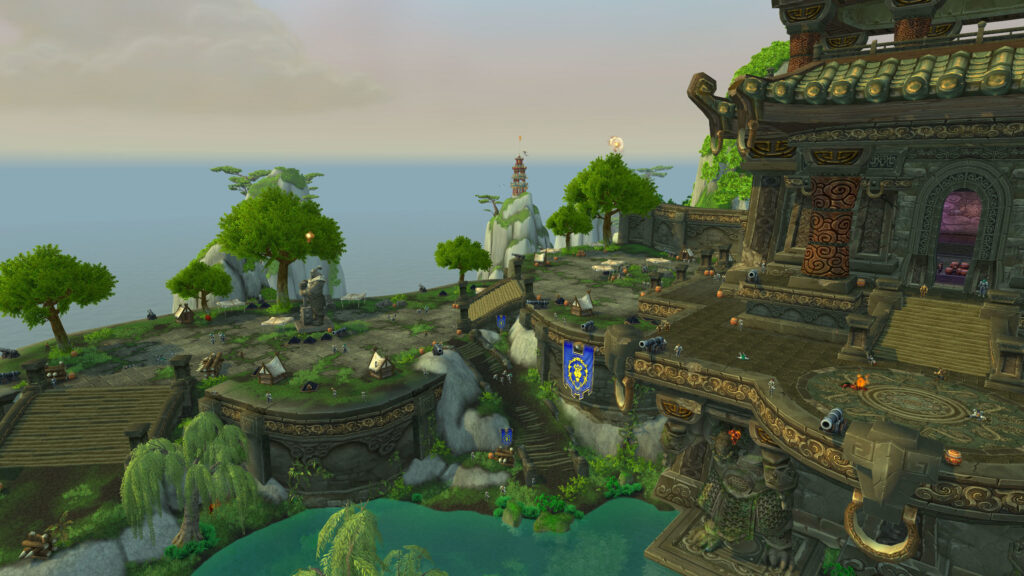
Mists of Pandaria M.O.P. offers a more compelling case for revival due to its high Feature Set Novelty, introducing systems like the original Talent system, scenario content, and Pet Battles. The expansion has demonstrated strong Nostalgia Market Demand, particularly among players who appreciate its strong narrative and highly rated later raid tiers. The Structural Integrity Risk is comparatively low, as its systems were generally well received upon refinement. The primary challenge is convincing the community that the setting’s aesthetic initial perception does not mask its deep gameplay quality.
The Risk of Player Base Fragmentation
The greatest overarching risk is the continued fragmentation of the player base across multiple, competing historical timelines.
While initial enthusiasm for a new Classic server would be high, long term retention may suffer as the audience is split between Wrath of the Lich King Classic, the new expansion’s live servers, and the revived mid era content. This dispersion threatens the long term viability of all parallel projects by diluting the active population of each server type.
Comparative Revival Viability Metrics
| Expansion Target | Nostalgia Market Demand Rating | Structural Integrity Risk Rating | Feature Set Novelty Rating |
|---|---|---|---|
| Cataclysm Classic | Polarized Moderate | High World Overhaul | Moderate New Races and Zones |
| Mists of Pandaria Classic | High Post Reevaluation | Low Refined Systems | High Scenarios and Timeless Isle |
Conclusion: Mists of Pandaria as the Optimal Candidate
Analysis suggests that Mists of Pandaria Classic presents the most favorable combination of high Nostalgia Market Demand and low Structural Integrity Risk, making it the superior candidate for continued expansion revival.
However, any decision to proceed must be rigorously weighed against the overarching risk of player base fragmentation, ensuring the parallel projects do not cannibalize the core audience required for sustained server health across all timelines.