
The Mage Tower solo challenges represent the zenith of individual skill expression in a fixed difficulty environment, demanding meticulous mechanical execution and comprehensive understanding of class-specific strengths and weaknesses. This guide focuses on dissecting the core mechanics of the most demanding challenges, providing specialized, class-specific strategy breakdowns. Success requires precise cooldown timing, disciplined resource management, and optimized talent loadouts tailored specifically to the unique constraints of each encounter.
This report establishes the required mastery protocol for neutralizing the Mage Tower’s most arduous solo challenges.
Evaluation Criteria: Execution Precision Index, Resource Management Discipline, and Mechanical Counter Efficacy
Challenge strategies are evaluated based on three weighted criteria. First, Execution Precision Index measures the narrow window of error allowed for critical mechanical responses, prioritizing unforgiving encounters.
Second, Resource Management Discipline assesses the necessity of rationing offensive and defensive cooldowns across multi phase encounters, favoring strategies that demand sustained efficiency. Third, Mechanical Counter Efficacy quantifies the specialization’s innate capacity to neutralize or bypass critical encounter mechanics. Low efficacy requires external consumables and superior precision.
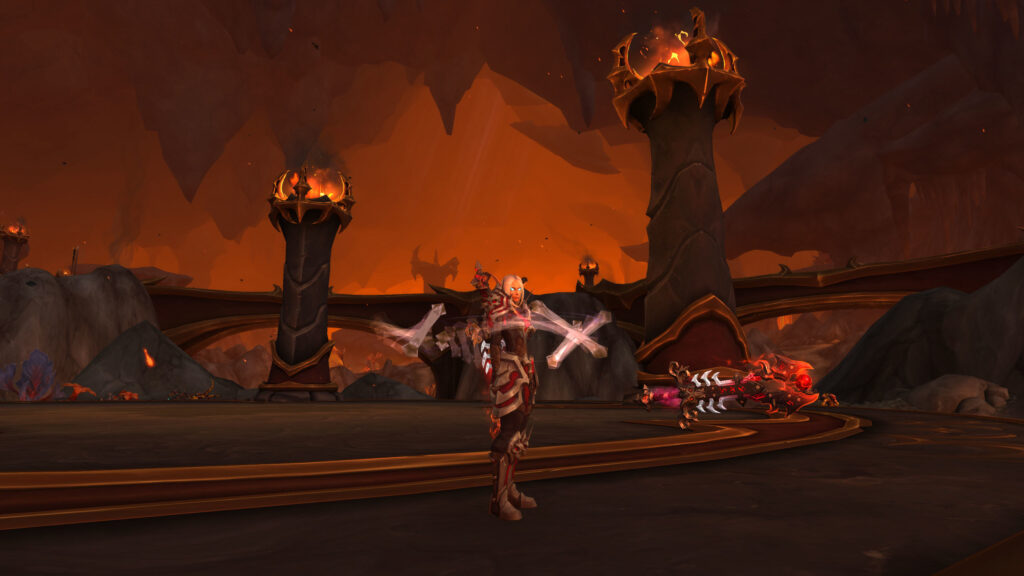
The Highlord’s Return: Vengeance Demon Hunter and Guardian Druid
The Highlord’s Return scenario, designed for tank specializations, requires extreme Resource Management Discipline. Tank specializations must manage the overwhelming damage of the first phase while conserving defensive resources for the critical second phase.
The Execution Precision Index is extremely high during the eyes phase, where failure to neutralize all adds results in immediate terminal damage. Guardian Druids excel due to their superior self healing, while Vengeance Demon Hunters utilize their high mobility for rapid positional adjustments, both relying on superior Mechanical Counter Efficacy against the phase two adds.
Closing the Eye: Windwalker Monk and Enhancement Shaman
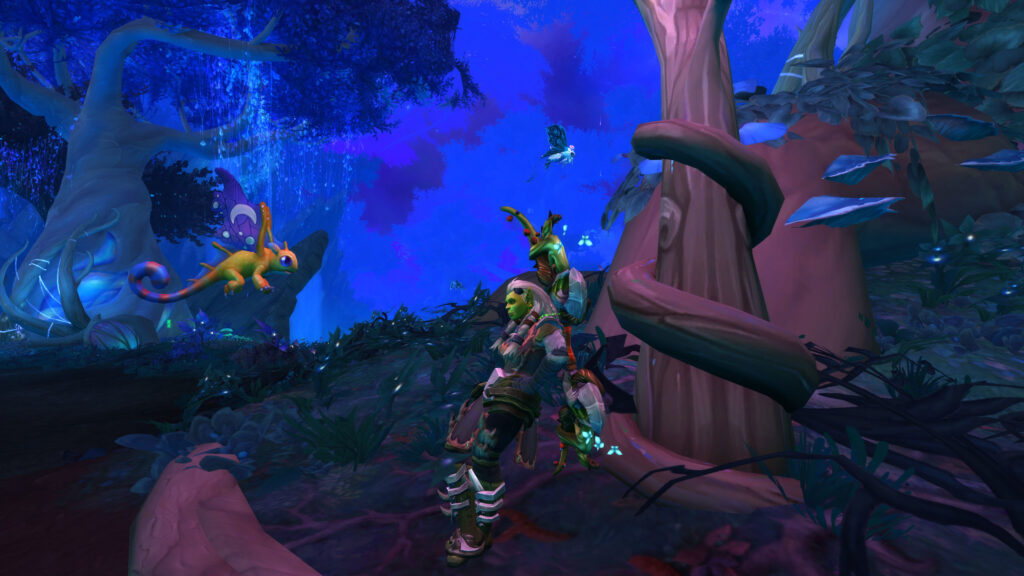
Closing the Eye, designated for melee damage specializations, is a test of sustained damage output and rapid target switching. The scenario demands superior Execution Precision Index during the transition phases, requiring players to neutralize high priority adds while maintaining damage on the primary boss. Enhancement Shamans leverage high burst windows for rapid add clearing, while Windwalker Monks use their high mobility to maximize damage uptime during forced movement. Resource Management Discipline focuses on timing offensive elixir usage with key phase transitions to minimize duration in high damage windows.
The Challenge of Twinning: Frost Mage and Balance Druid
The Twinning challenge, intended for ranged damage specializations, tests a player’s ability to maintain high damage on two targets simultaneously while managing constant positional disruption.
Frost Mages excel due to their potent slowing effects, which drastically improve Mechanical Counter Efficacy against the pursuer. Balance Druids utilize damage over time effects for superior sustained cleave output across both targets. The Execution Precision Index is highest during the final burn phase, where a single mistimed interrupt can lead to a wipe.
Specialization Performance Metrics in Mage Tower Challenges
| Challenge | Specialization Example | Execution Precision Index Score | Primary Success Factor |
|---|---|---|---|
| The Highlord’s Return | Guardian Druid | High Critical Eye Phase | Superior Self Healing and Durability |
| Closing the Eye | Windwalker Monk | Moderate Sustained Output | Mobility and Cooldown Alignment for Adds |
| The Twinning | Frost Mage | Very High Interrupt Timing | Superior Crowd Control and Kiting Utility |
Conclusion: Mastery Through Adaptation
Successful completion of the Mage Tower requires deep specialization knowledge and the ability to adapt core abilities to the unique constraints of the fixed environment.
The challenges serve as definitive tests of a player’s Execution Precision Index and Resource Management Discipline, demanding a level of mechanical mastery that transcends standard instanced content difficulty.